
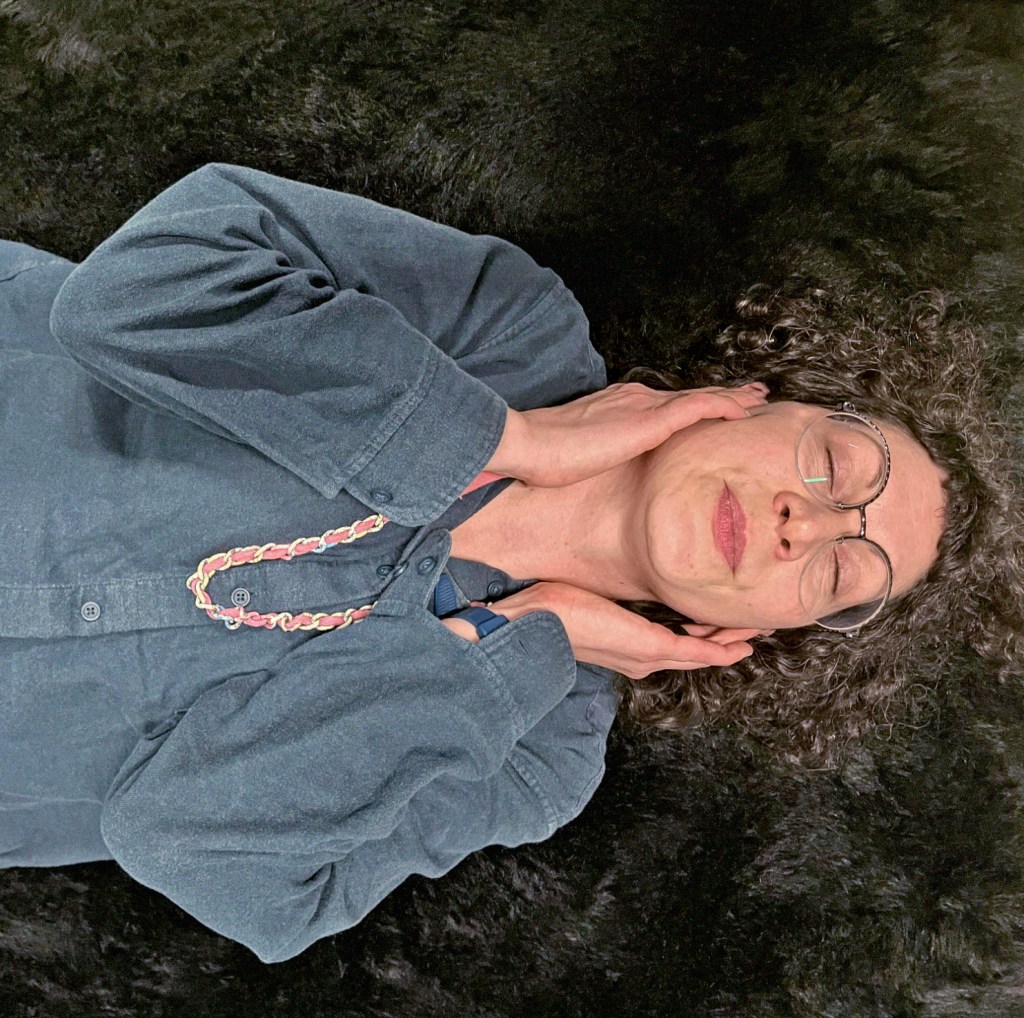
The Calder in Your Guts
David Vélez
Sounds of Dissent
A Practice-Based Research Symposium on Music, Sounds and the Political
Cregan Library DCU, Dublin
Installation: March 21st – April 12th
Sound Of Dissent Symposium: April 11th – 12th
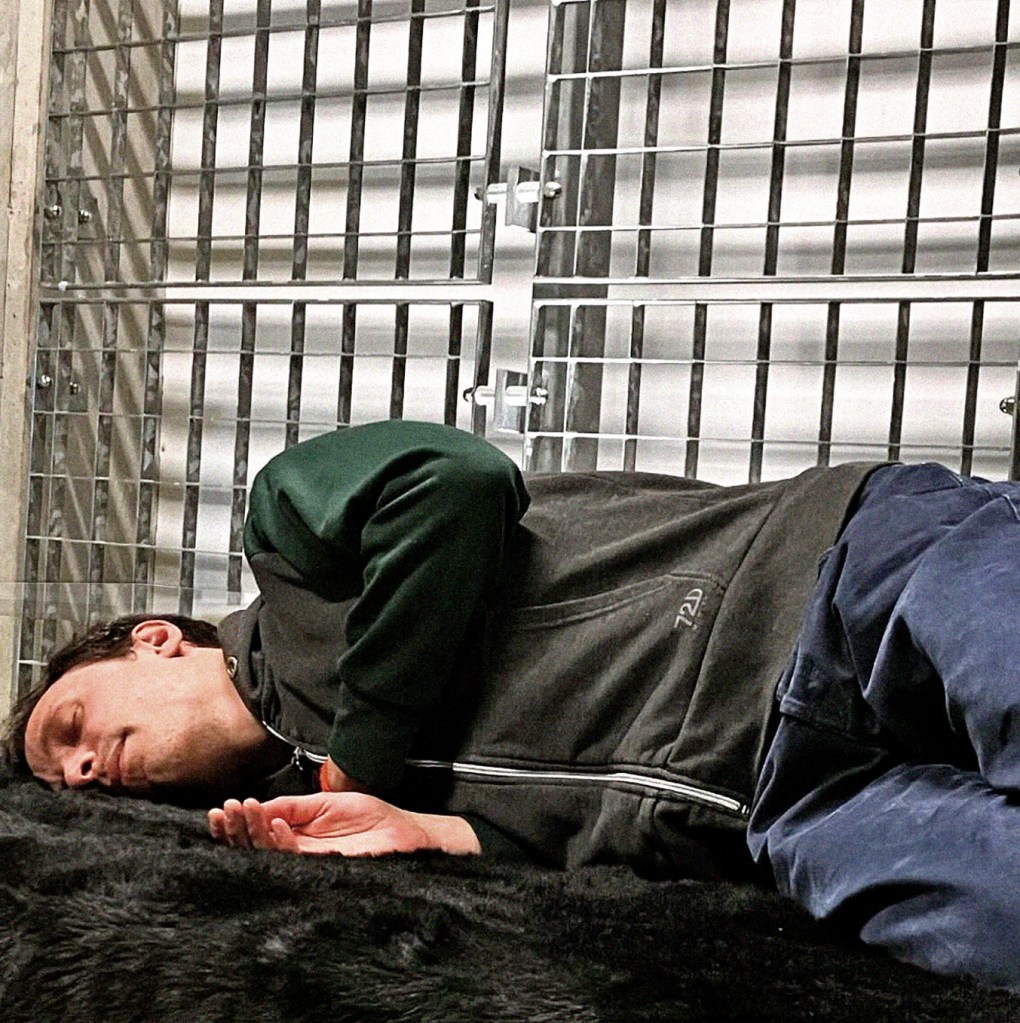
Deep vibration from England’s second most polluted river stimulates the perception of sound through the stomach and bones of the listener. A sonic evidence of the irresponsibility and unaccountability of contaminating water firms, and devastating effects in the biodiversity of West Yorkshire.
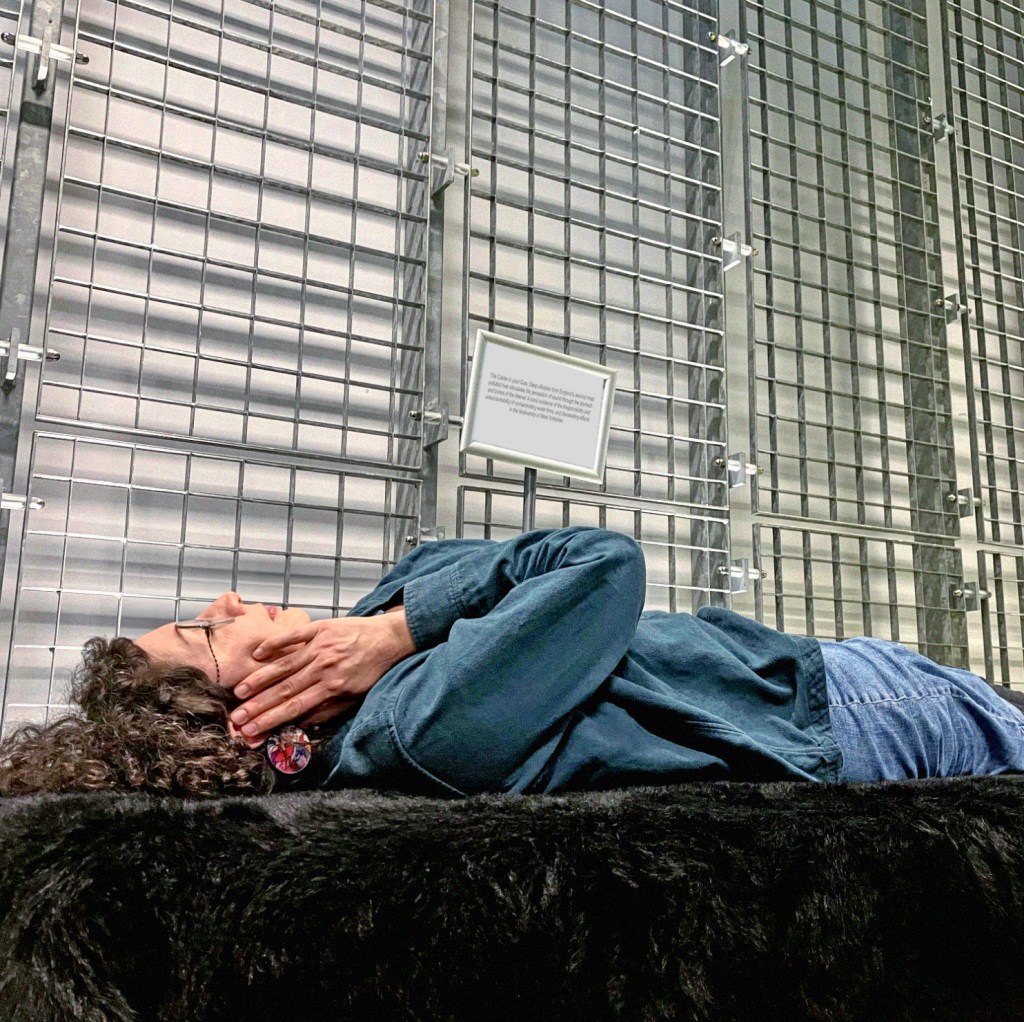
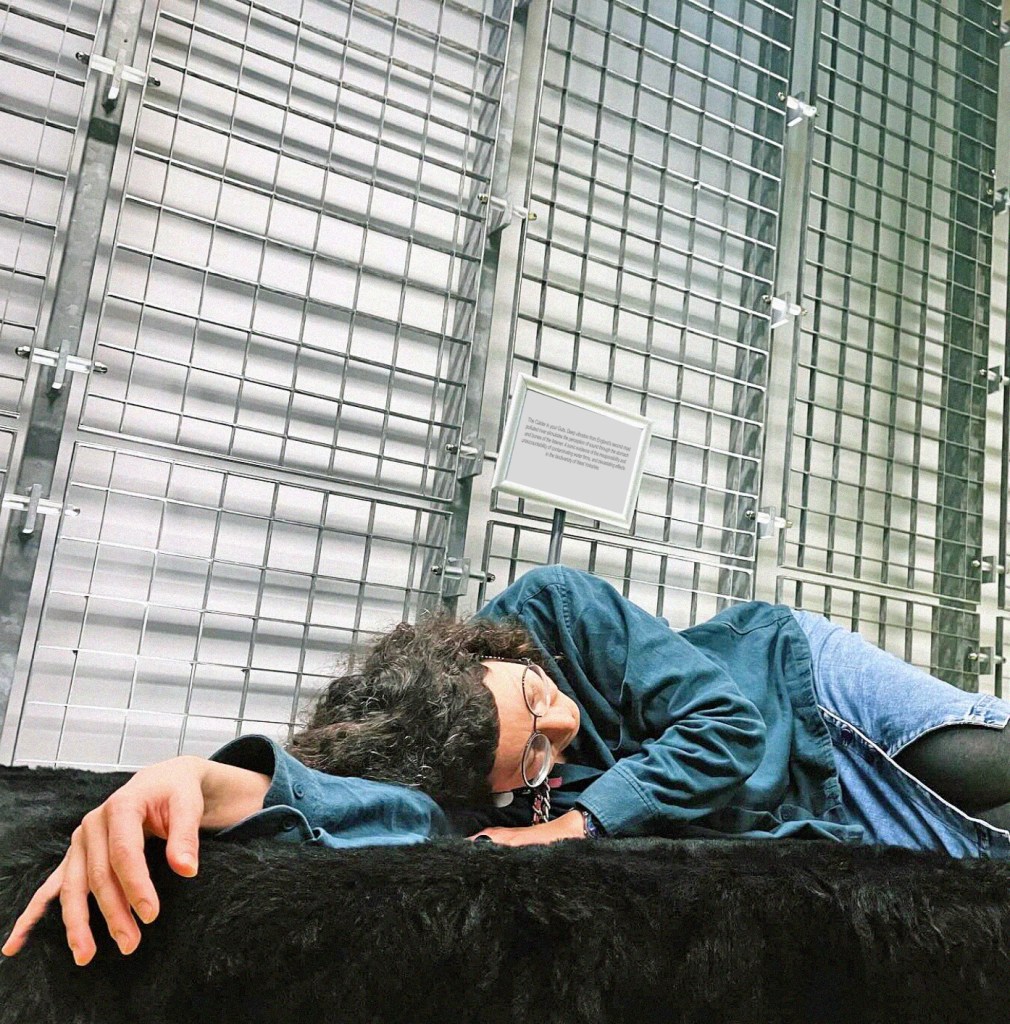
Sound installation made with fur, bass transducers and ready-made materials. The piece aims to draw attention towards the health of the River Calder, which is the principal fluvial source for farms in the Calderdale and Kirklees English boroughs, nourishing the growth of rhubarb, pears, blueberries, potatoes, tomatoes and many other species that feed the community of this region. The Calder was affected by industrial waste from textile factories for decades, and today is subjected to substantial sewage leaks, making it England’s second most polluted river. This problem can be solved if the contaminating water firms take action to sustain the river’s well-being, which they are currently failing to do, as researchers and activists emphatically point out. As such this installation also takes an explicitly activist stance. The form of the installation creates a bodily bonding experience with the river through the vibration of its sounds.
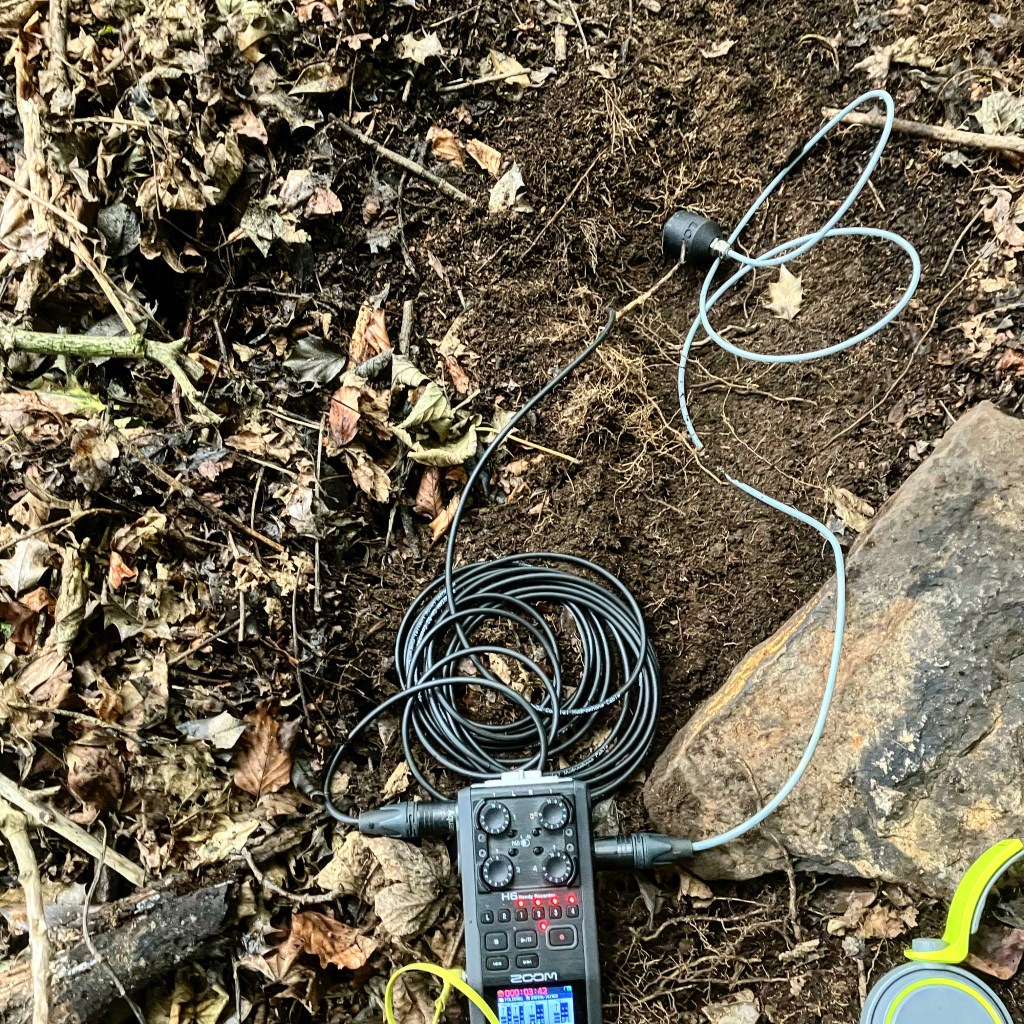
Through this corporeal sensory experience, whose grave and intense vibration presents sound as a tactile phenomenon expanding into the guts, the visitors can acknowledge water as a nourishing presence inside our bodies, and thus the connectedness with the well-being of their local waterways. Extensive underwater and subterranean recordings were made of the River Calder using a hydrophone and a geophone to emphasise the vibrating biodiversity of the site, including earthworms, snails, slugs, frogs, toads, newts, fishes, and an enormous variety of plants, among other ‘sounding species’. The field methodology centred on environments whose acoustics are unfamiliar to our airborne-fixed listening, recognising the river as an ‘Otherness’ to which we should extend empathy, engaging with care and recognising our interdependency. The use of transducers creates a multi-sensorial experience, which connects the listener with the river sounds on a deep, foundational level.



 habitatsonoro