
Ritmos Circadianos
David Vélez
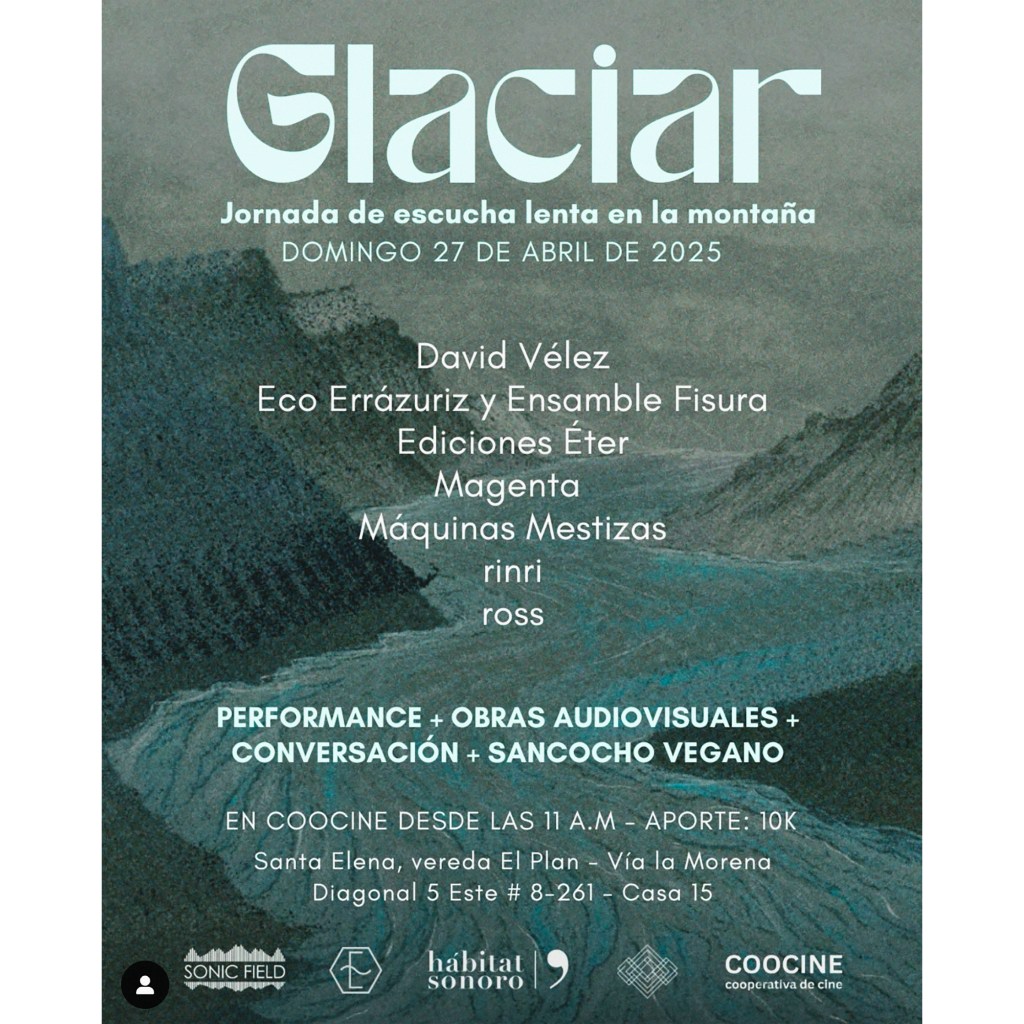
Glaciar: Jornada de Escucha Lenta en la Montaña
Organized by Coocine
Abril 27 2025
Vereda El Plan, Santa Elena
ES
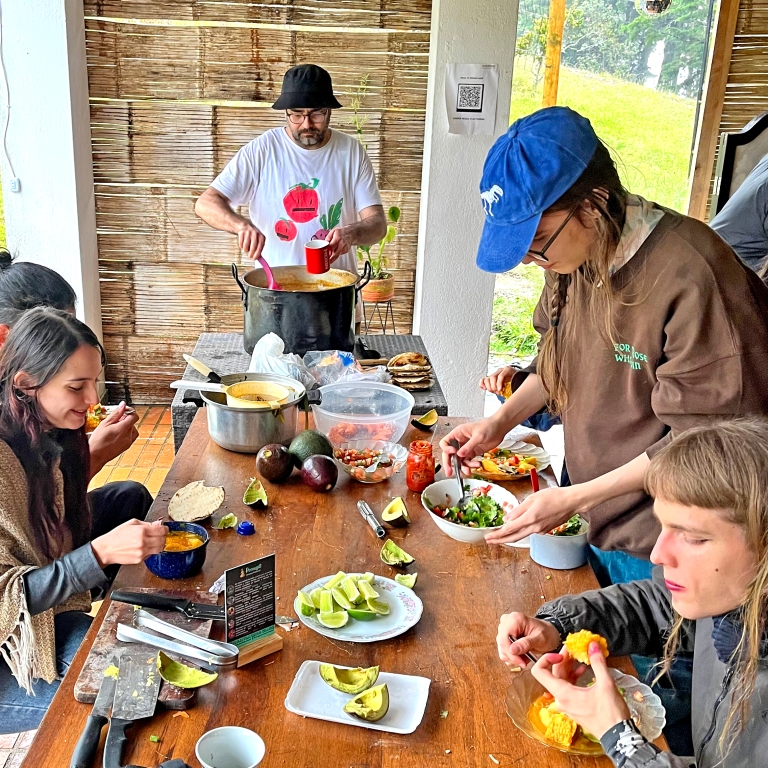
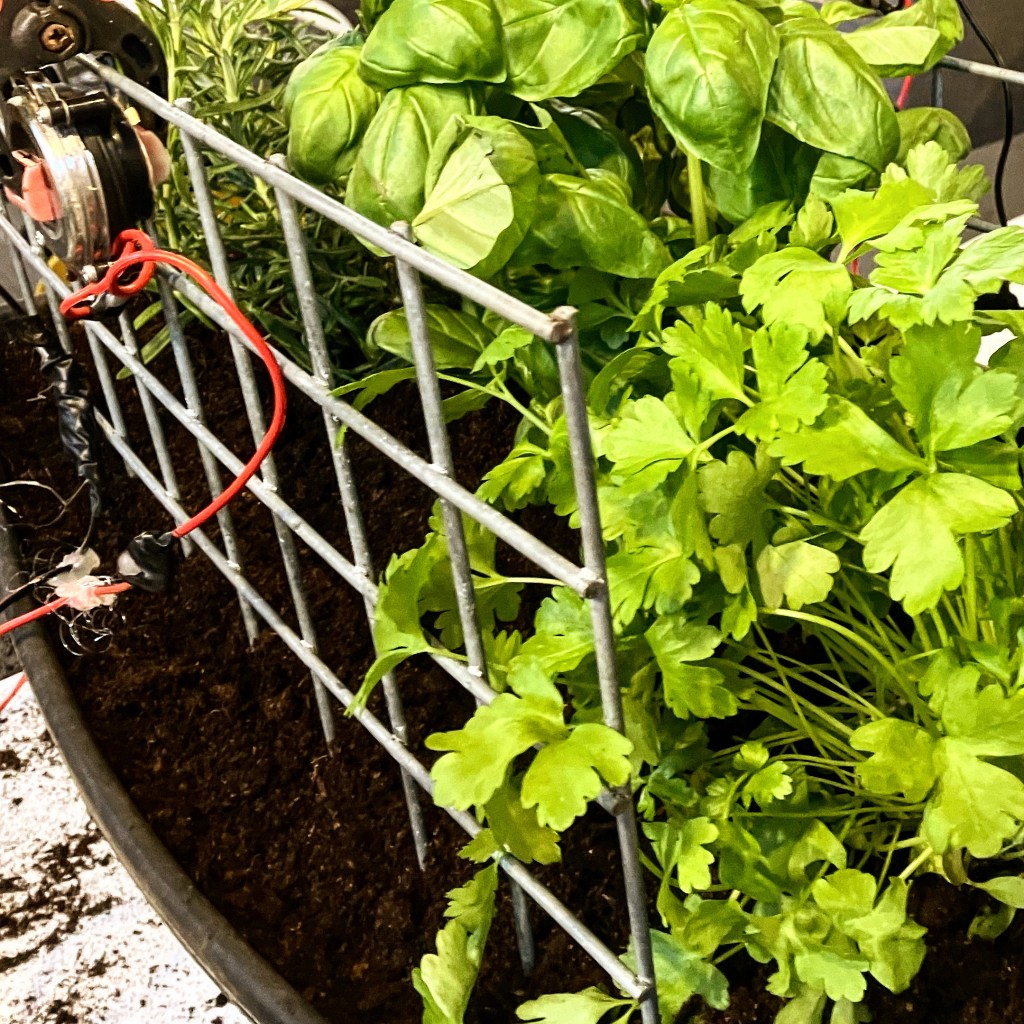
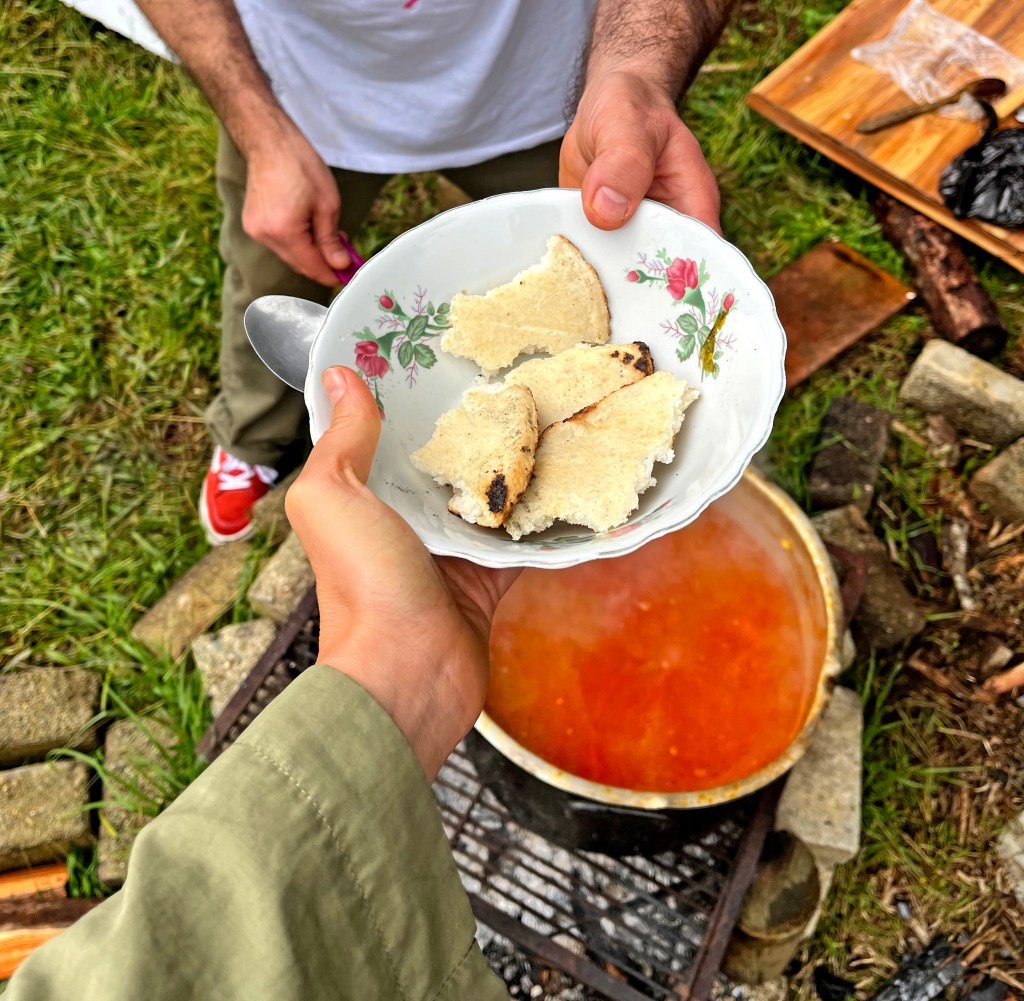
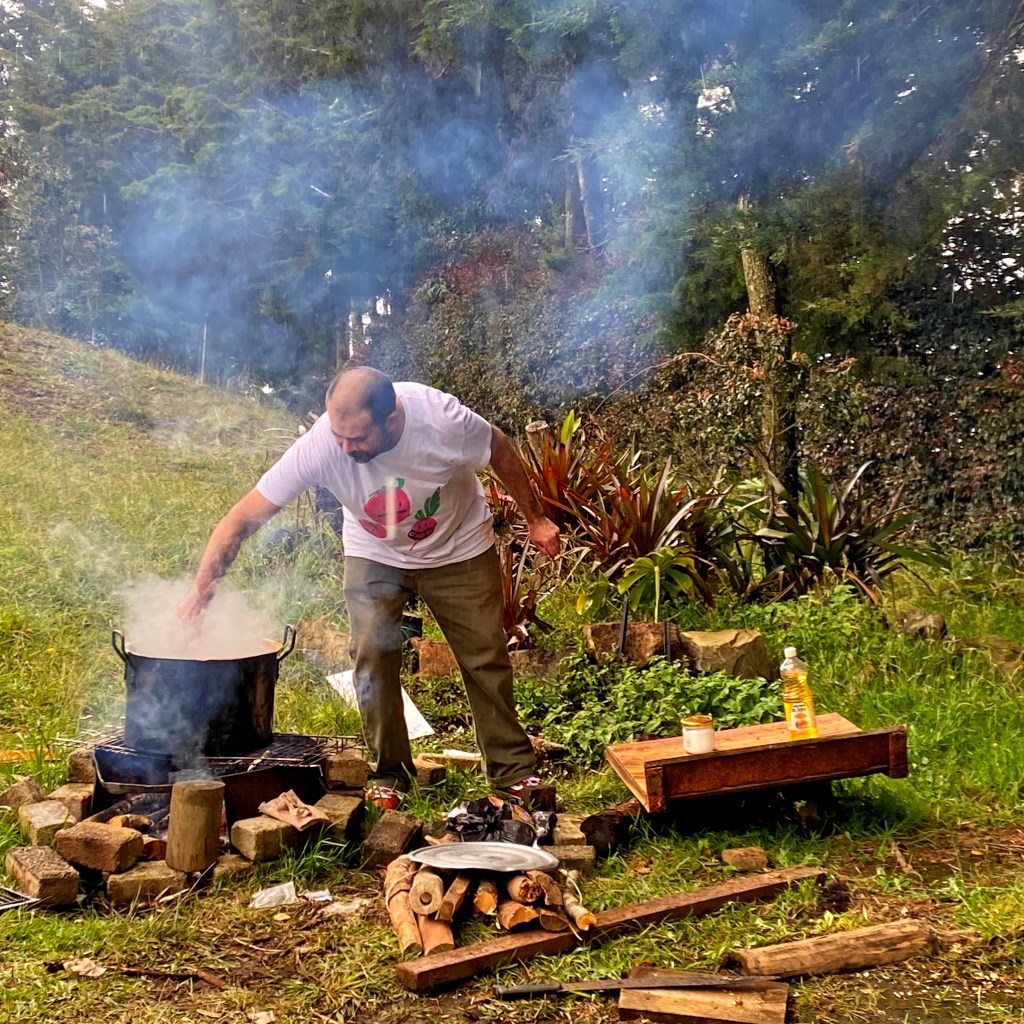
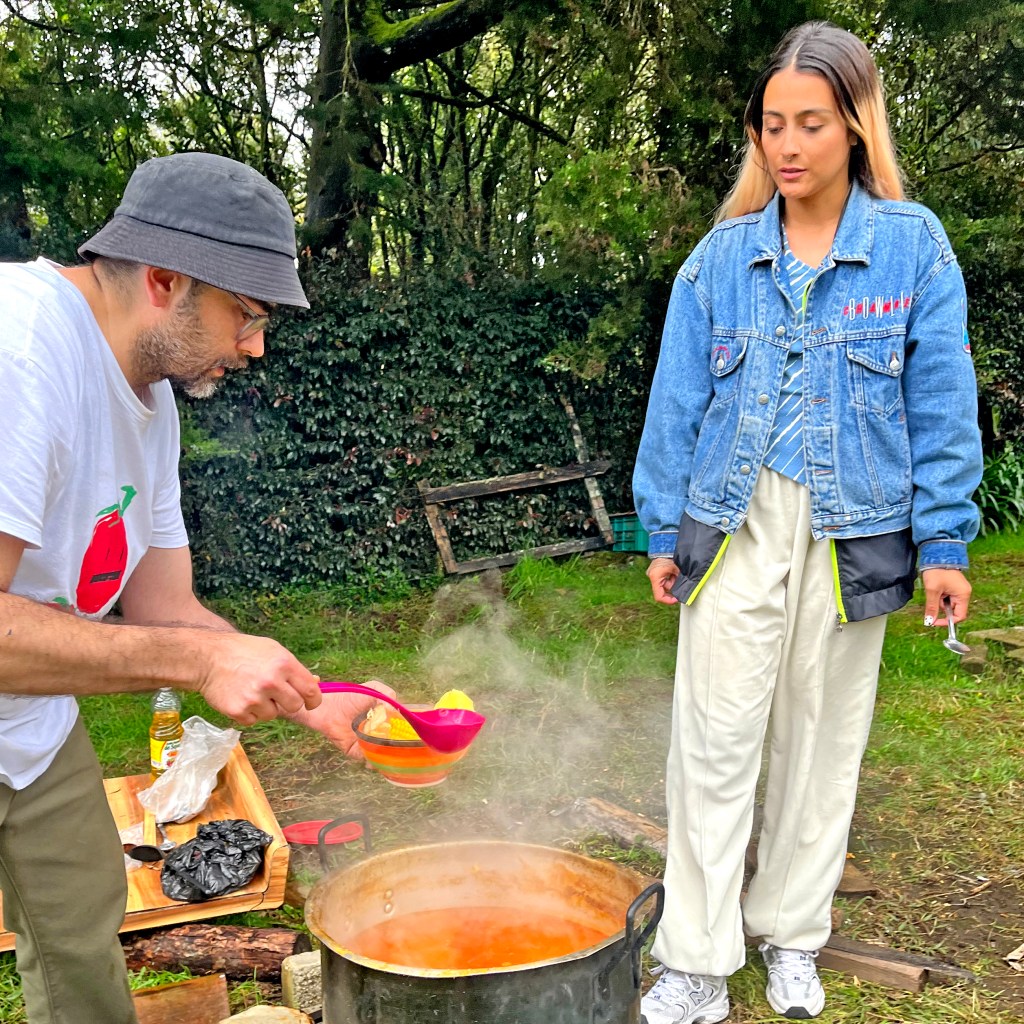
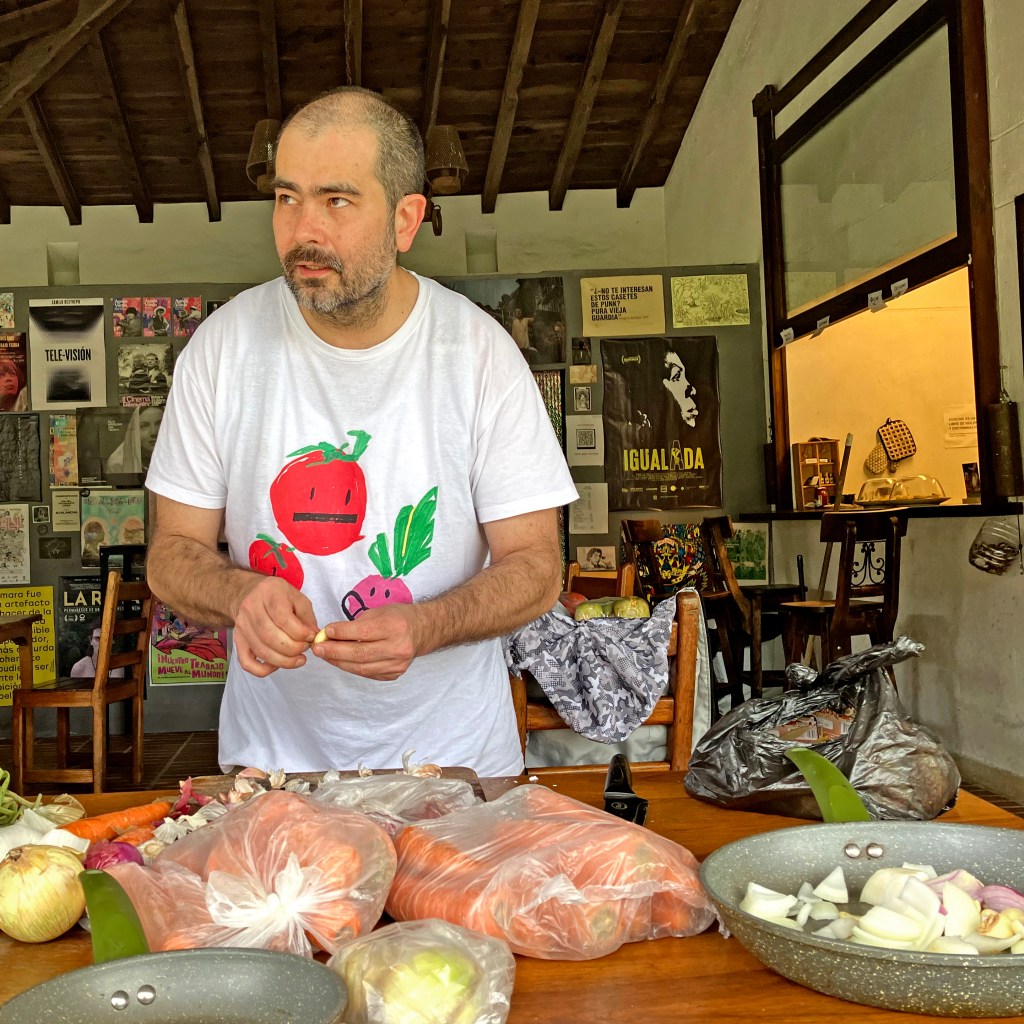
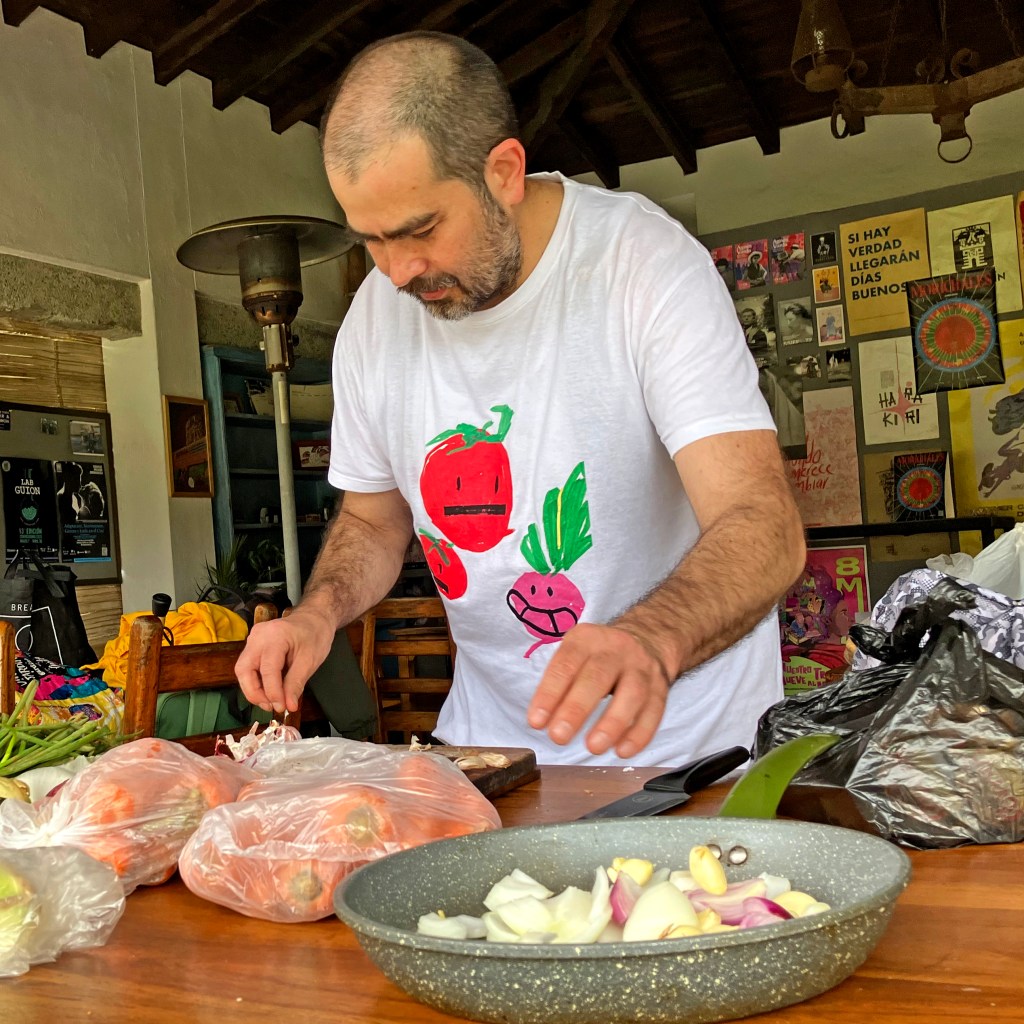
En esta presentación, David Vélez nos conectó con los ritmos, frecuencias, sabores y nutrientes a través de los cuales las plantas comestibles y los seres humanos nos comunicamos. Para ello, Vélez, junto con un grupo de colaboradores, cocinó un Sancocho Circadiano, vegetariano, cuyo caldo fue el resultado de una cocción lenta y prolongada, con el fin de que absorbiera toda la energía, nutrientes y aromas de las hortalizas. Algunos de estos vegetales fueron previamente cultivados bajo estimulación sonora, utilizando sonidos desarrollados por Vélez en su investigación.
La presentación comenzó con una charla de Vélez sobre la contribución del arte sonoro en la horticultura, acompañada por la degustación de la sopa de vegetales. Posteriormente, Vélez realizó una presentación utilizando los sonidos utilizados para estimular las hortalizas de la sopa.
Investigación
Las plantas son excepcionalmente sensibles, lo que les permite comunicarse con los organismos que componen su entorno. En el caso de los humanos, la bióloga Fatimah Jackson sugiere que algunas plantas cultivadas para el consumo humano se comunican con nosotros a través de los sabores y el valor nutritivo de sus frutos, raíces, tallos y hojas, buscando garantizar su subsistencia mediante su demanda agrícola. Por otro lado, en 1974, la artista sonora Dorothy Retallack descubrió que el sonido puede fortalecer el crecimiento de las plantas comestibles, demostrando la capacidad del arte sonoro de enriquecer nuestra relación y comunicación con estas especies. La reacción positiva de las hortalizas frente a ciertos sonidos, según Collins y Foreman, ocurre cuando la vibración acústica sinusoidal elimina partículas de suciedad que bloquean los estomas de las hojas, estimulando así su capacidad de respirar y transpirar, dos procesos vitales en la absorción y producción de nutrientes.

EN
In this presentation, David Vélez connected us with the rhythms, frequencies, flavors, and nutrients through which edible plants and human beings communicate. To do so, Vélez, along with a group of collaborators, prepared a vegetarian Circadian Sancocho, a stew whose broth was the result of slow, prolonged cooking, allowing it to absorb all the energy, nutrients, and aromas of the vegetables. Some of these vegetables had been previously grown under sonic stimulation, using sounds developed by Vélez in his research.
The presentation began with a talk by Vélez on the contribution of sound art to horticulture, accompanied by a tasting of the vegetable soup. Afterwards, Vélez gave a presentation using the same sounds that had been used to stimulate the vegetables in the soup.
Research
Plants are exceptionally sensitive, which allows them to communicate with the organisms that make up their environment. In the case of humans, biologist Fatimah Jackson suggests that some plants cultivated for human consumption communicate with us through the flavors and nutritional value of their fruits, roots, stems, and leaves—seeking to ensure their own survival through agricultural demand.
On the other hand, in 1974, sound artist Dorothy Retallack discovered that sound can enhance the growth of edible plants, demonstrating how sound art can enrich our relationship and communication with these species. The positive reaction of vegetables to certain sounds, according to Collins and Foreman, occurs when sinusoidal acoustic vibrations remove dirt particles that block the stomata on their leaves, thus stimulating their ability to breathe and transpire—two vital processes in the absorption and production of nutrients.


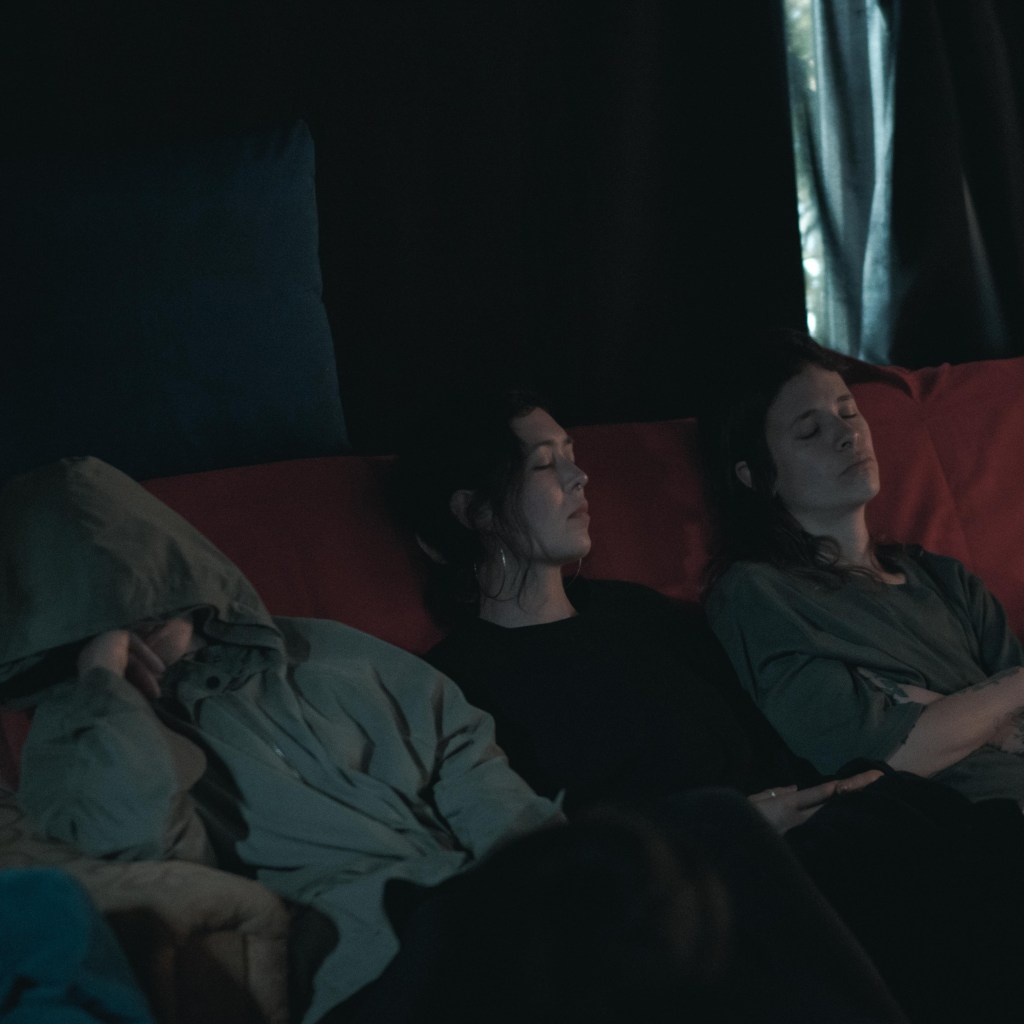
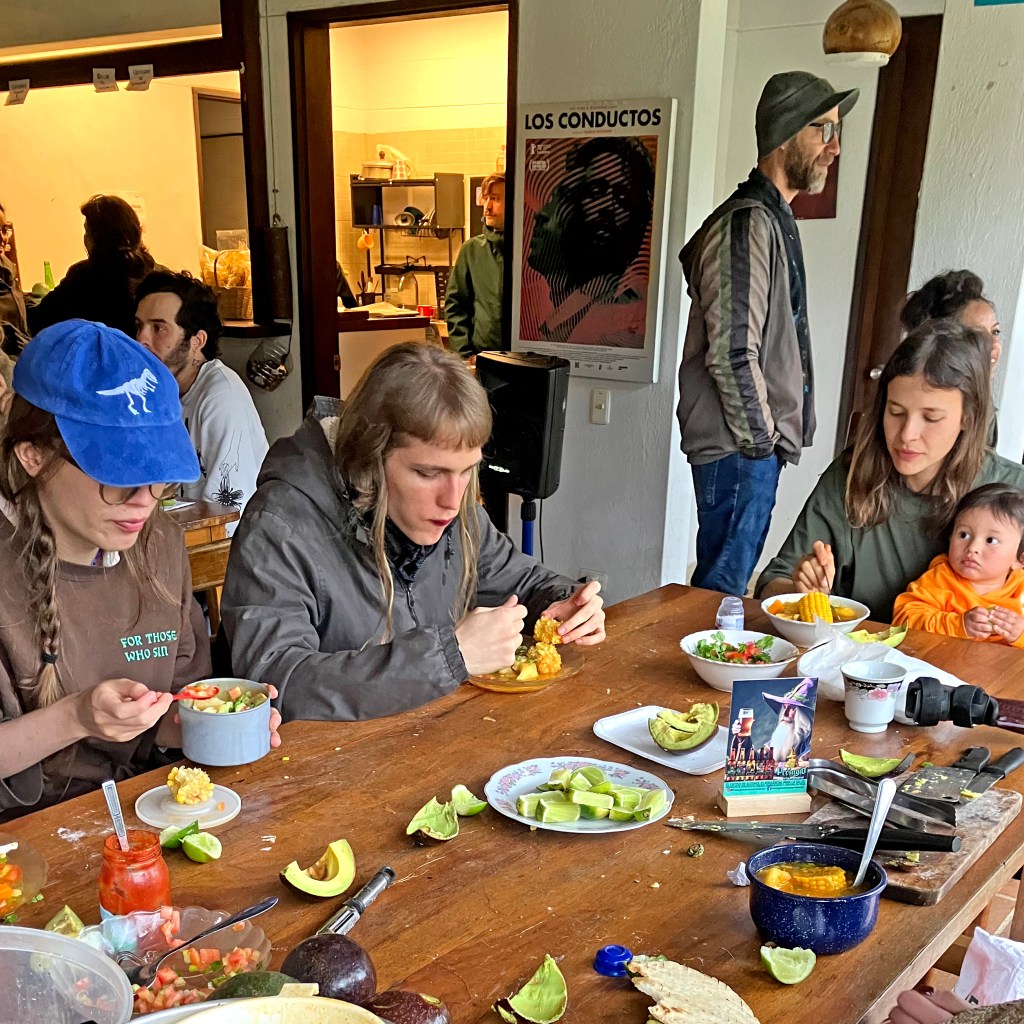

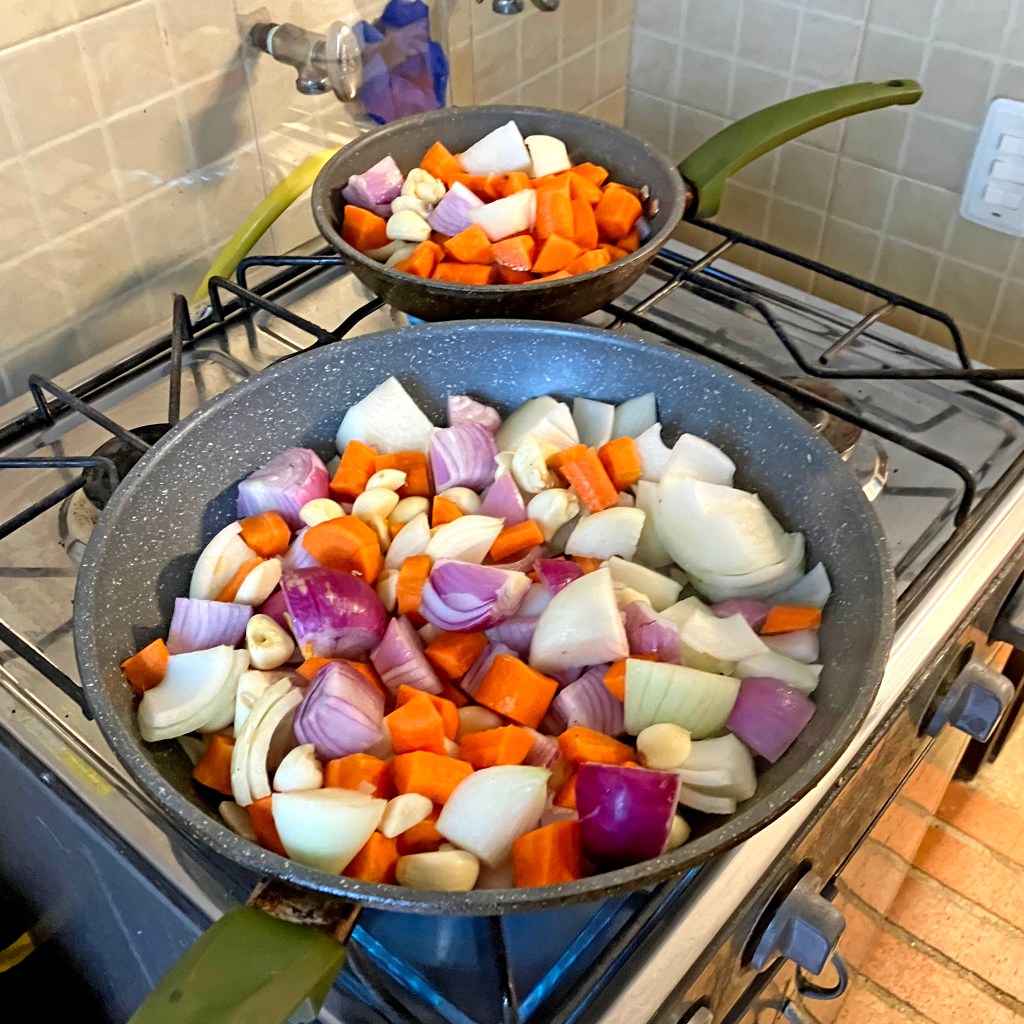

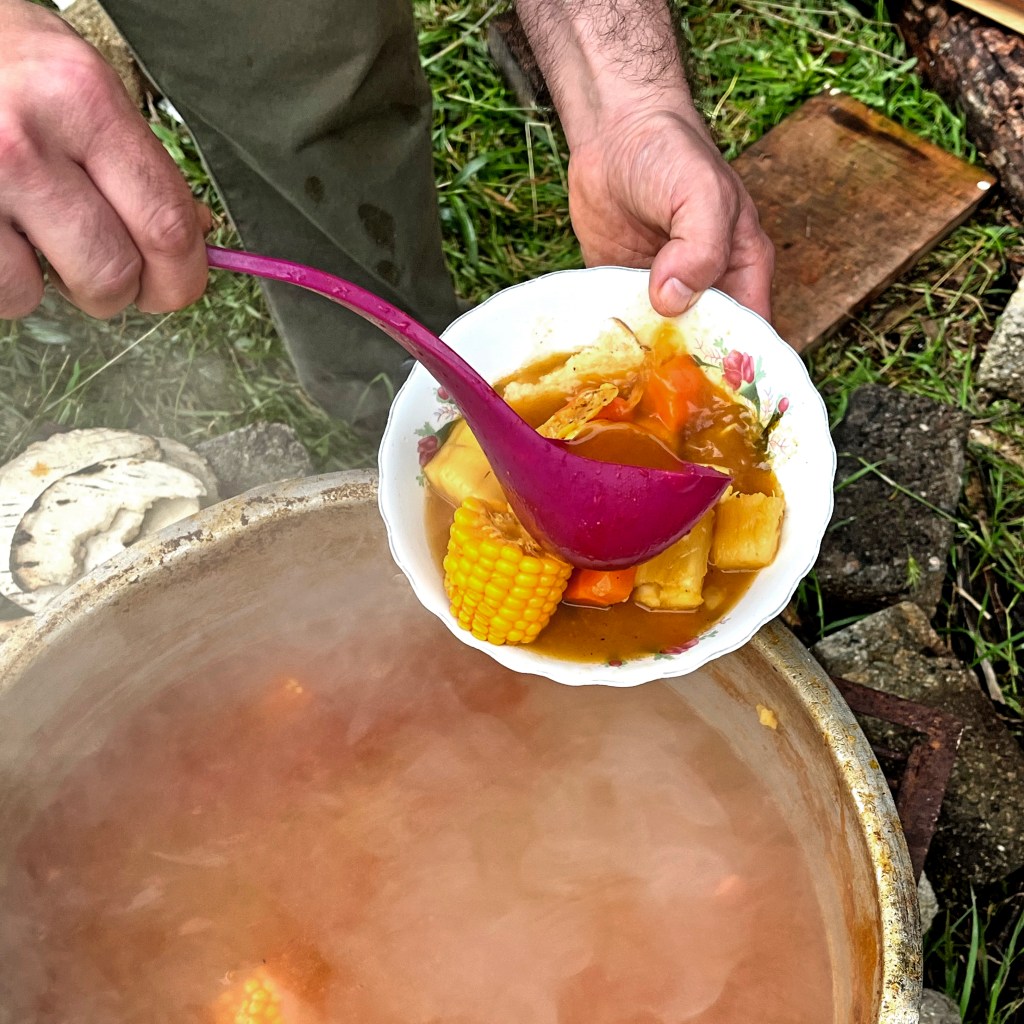






Photos: Eme and Rossur
 habitatsonoro