
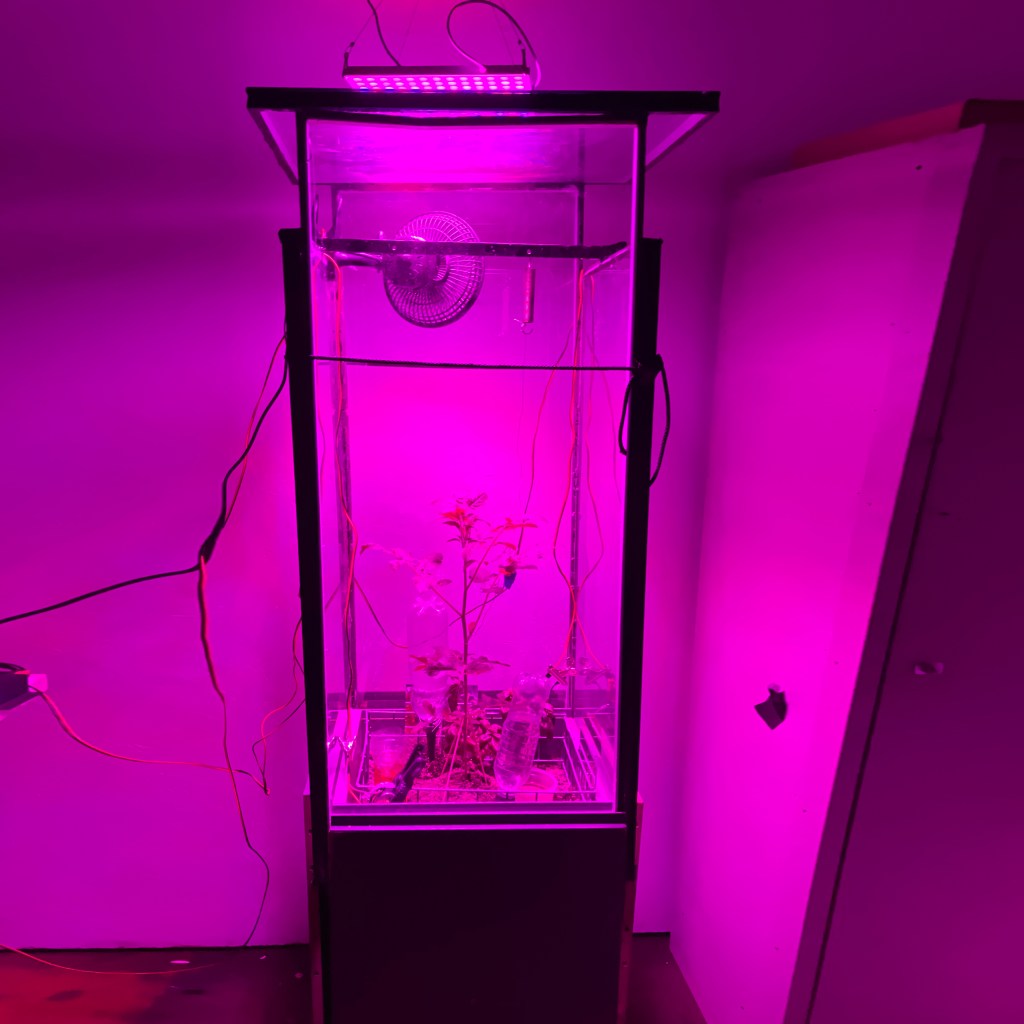
RADICAL 1.0: Sound experiment with cherry tomatoes using sine waves -Prototype-
David Vélez (PhD Sonic Arts and Music Technology)
Developed in Globearts Studios
With the support of The Making Space
June 2025-ongoing
Slaithwaite, UK
David Vélez presents RADICAL: A prototype project encompassing an agricultural and gastronomic experiment combining sound art, horticulture, and gastronomy to revitalize the flavor and nutritional value of the cherry tomato, Solanum pimpinellifolium
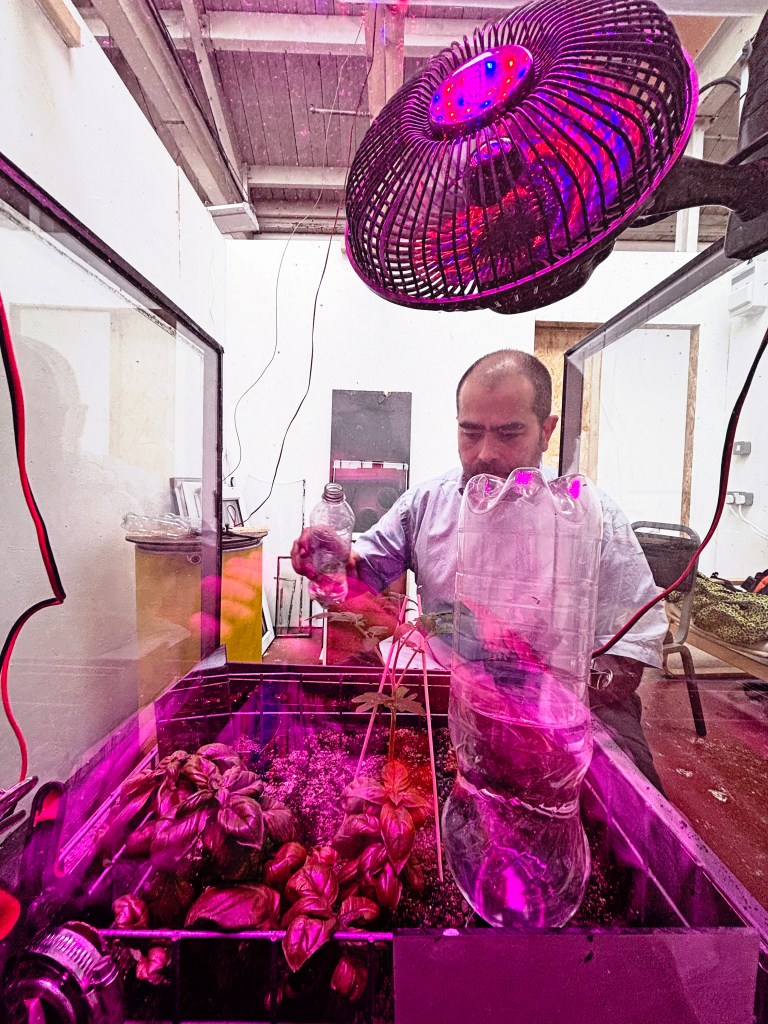
-Project led by Dr David Vélez (Col/UK)-
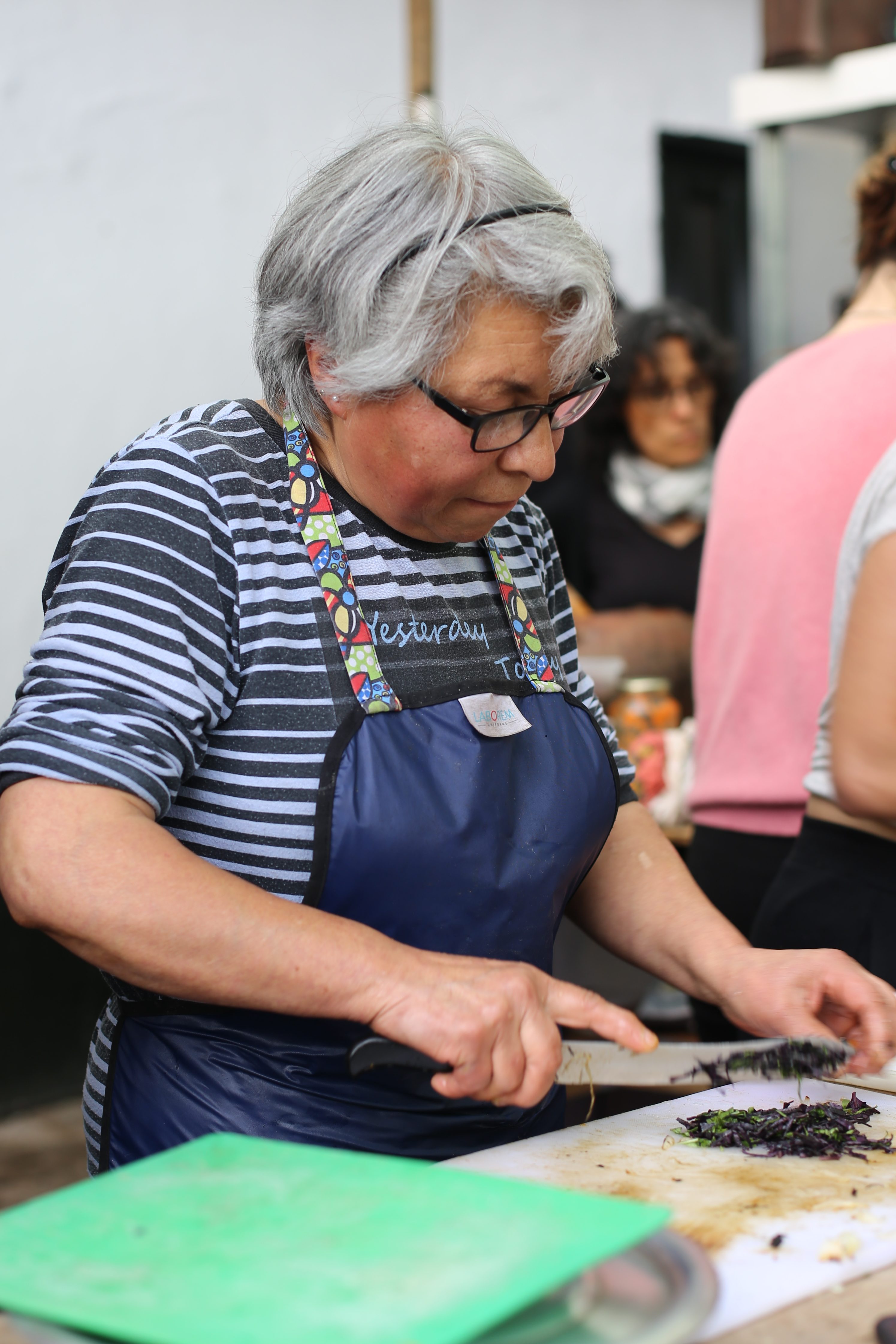
-Experiment monitored bi-daily, under the remote tutelage of Elena Villamil (Col)-
1.0
In this experiment, I aim to grow cherry tomato out of season, cultivated in the summer and having harvesting in early November,
Why this experiment?
The tomato is a species of vital importance to humans, not only for its medicinal and nutritional benefits—associated with the reduction of heart disease, cancer, and depressive symptoms—but also for its immense cultural significance. It is a fundamental ingredient in countless dishes, including salads, stews, sauces, snacks, and soups prepared around the world. Our experiences with tomatoes have been impoverished by industrial horticulture practices, which prioritize the production of large, colorful, long-lasting, and transport-resistant fruits that are, however, low in nutrients and flavorless. This sensory and nutritional degradation is linked to the intensive use of synthetic fertilizers, the neglect of soil mineral balance, and the progressive loss of genetic diversity. In this context, it becomes urgent to explore agroecological alternatives that improve the availability and absorption of minerals, especially in light of the rapid advance of genetically modified seeds in industrial agriculture.
Various experiments implementing sound art technologies have shown concrete benefits in the growth and size of tomatoes and other plant species. These effects have been linked to the ability of certain acoustic frequencies to stimulate plant respiration and transpiration, essential processes for nutrient absorption and production. However, the capacity of sound to stimulate the generation of compounds that enhance the flavor and nutritional value of tomatoes has not yet been thoroughly explored, despite the current crisis in our cultural and dietary experience with them.
Additionally, psychological studies have shown that the sound frequencies generated by airplane turbines inside the cabin can intensify the human perception of flavors such as sweetness, acidity, saltiness, and bitterness in tomatoes. This demonstrates the potential of sound not only to influence plant growth but also to enrich the human sensory experience when tasting this fruit.
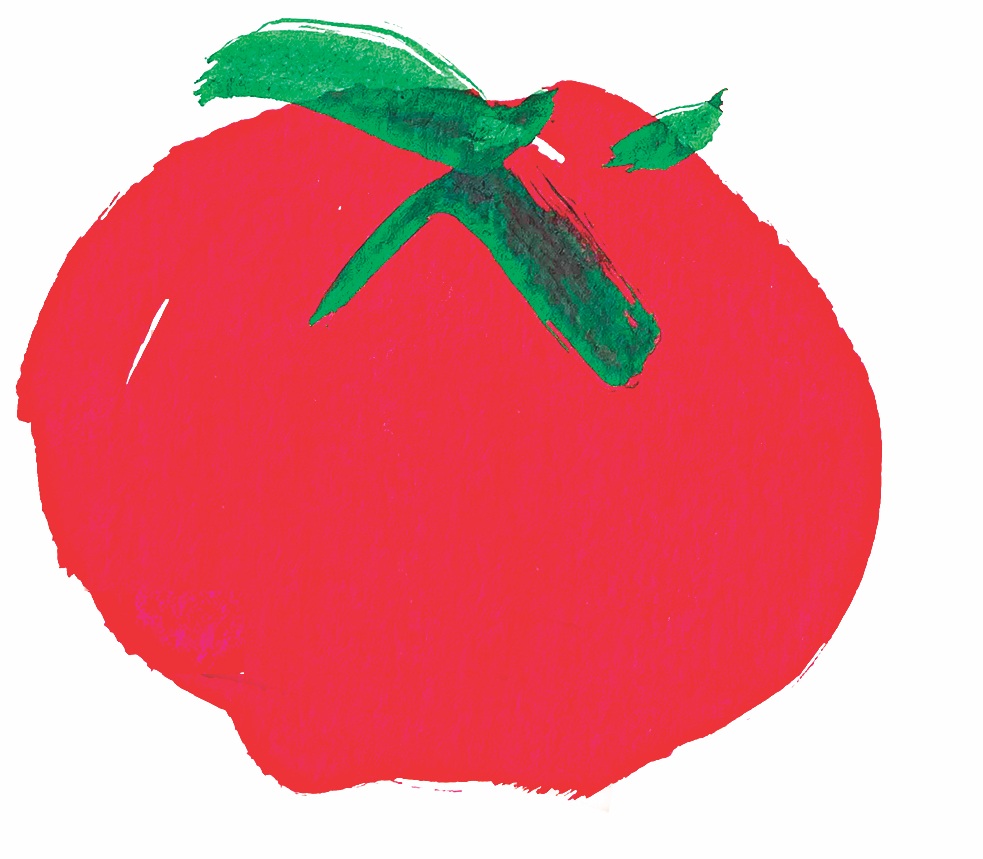
-Illustration: Lina M. Velandia-
Why Tomato Cherry?
Among all tomato varieties, the rich genetic composition of the cherry tomato is especially at risk due to genetic modification promoted by industrial agriculture. This variety, which maintains a close genetic relationship with the wild tomato, preserves tens of thousands of essential genes related to flavor, nutrition, disease resistance, and environmental stress tolerance, making it ideal for these experiments. Furthermore, as a still partially wild and undomesticated species, the cherry tomato may show particular sensitivity to acoustic stimuli that influence fundamental processes such as diffusion, transpiration, and respiration, which are essential for nutrient absorption and production.
Materials
Experiment advanced in a 135 liter-pot. Soil grown locally in Slaithwaite. Tomato planted with basil and chives, plants that repel pests and support biodiversity. DIY automated watering system 2 liters per day.Experiment implementing discarded materials -when available- (Prototype as of Day 53rd) found in the industrial area of Holme Mills in Huddersfield.
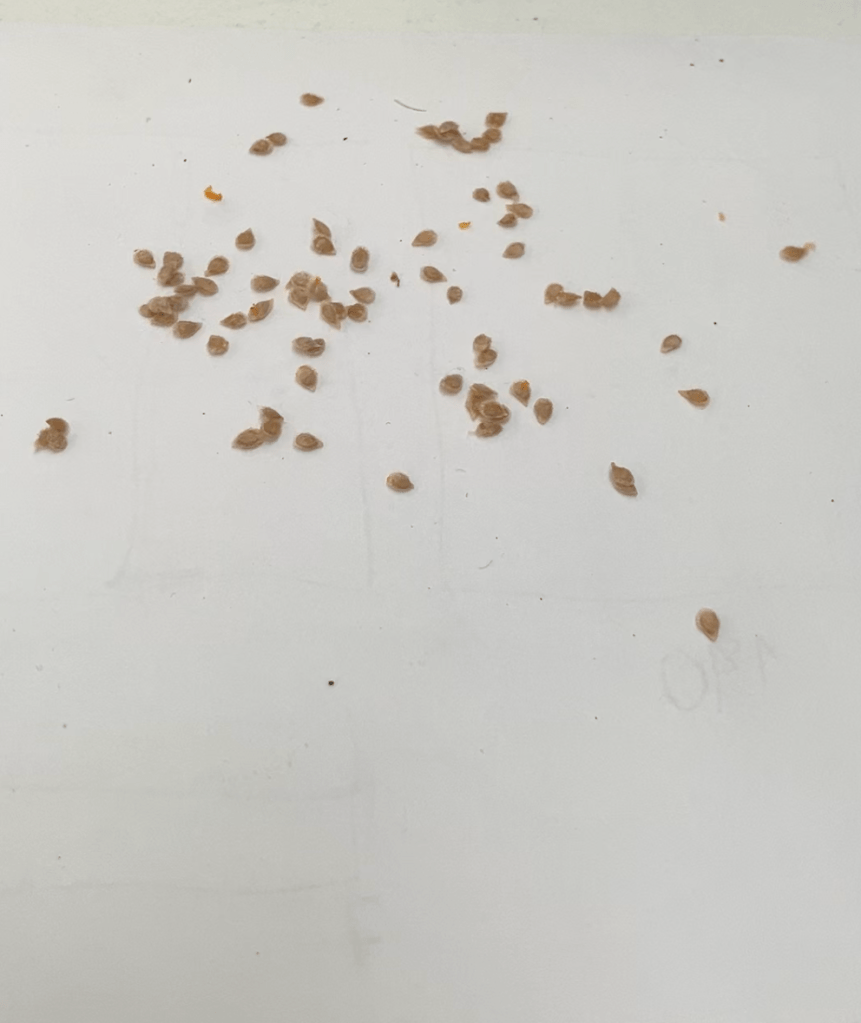
RADICAL uses tomato seeds extracted from organic tomatoes grown locally in Huddersfield


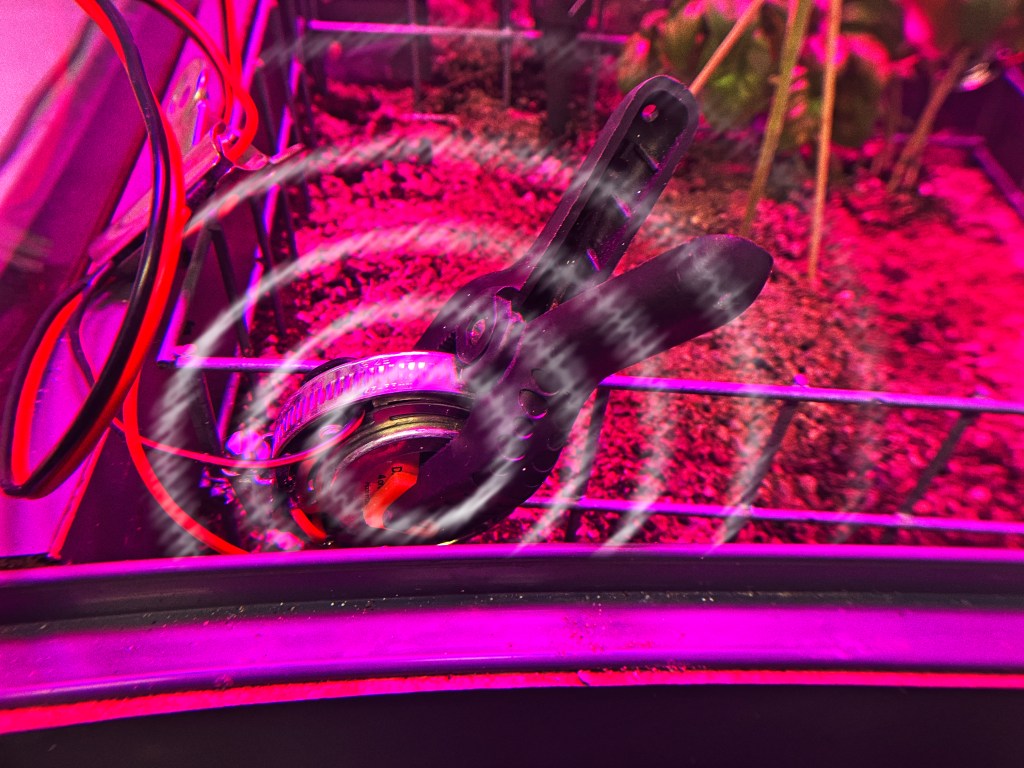
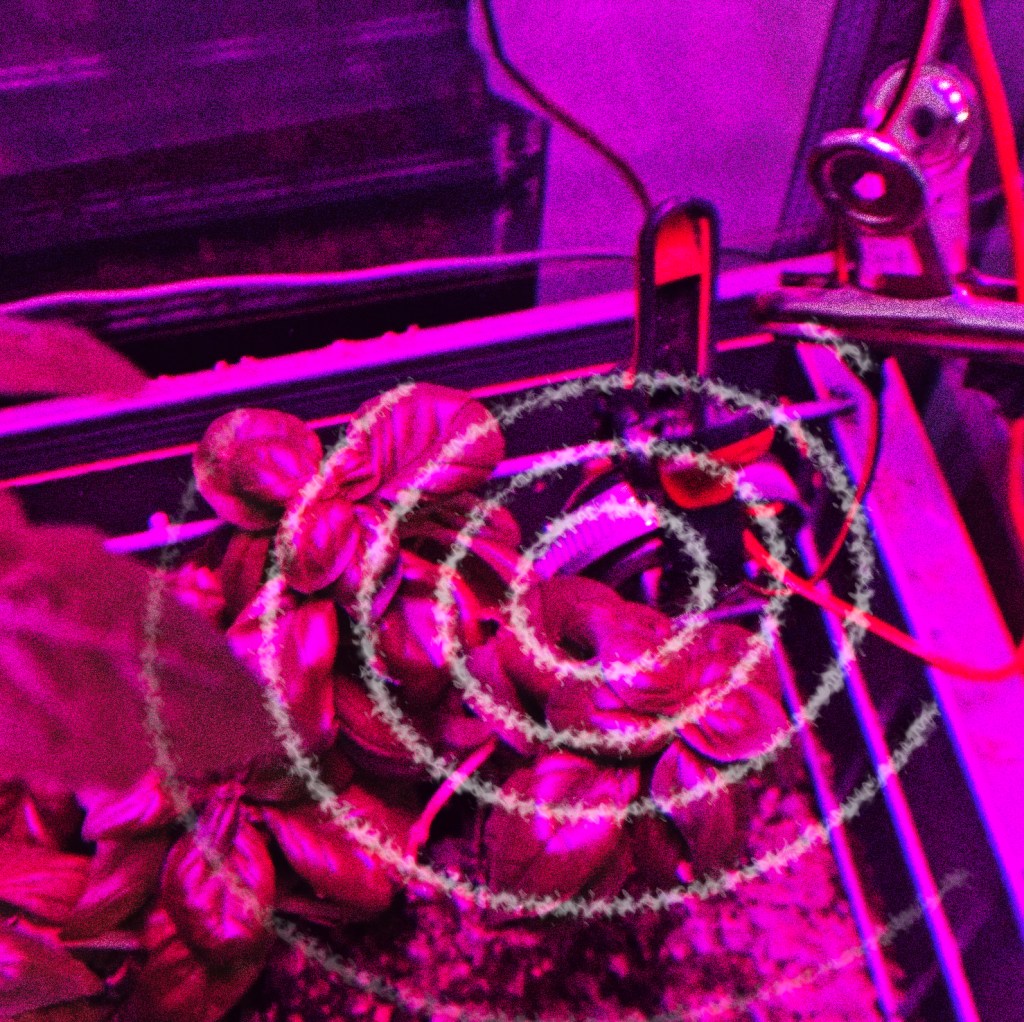
Sonic stimulation towards the leaf and soil using 2 x transducers activating a steel grid that propagates vibration to the soil.
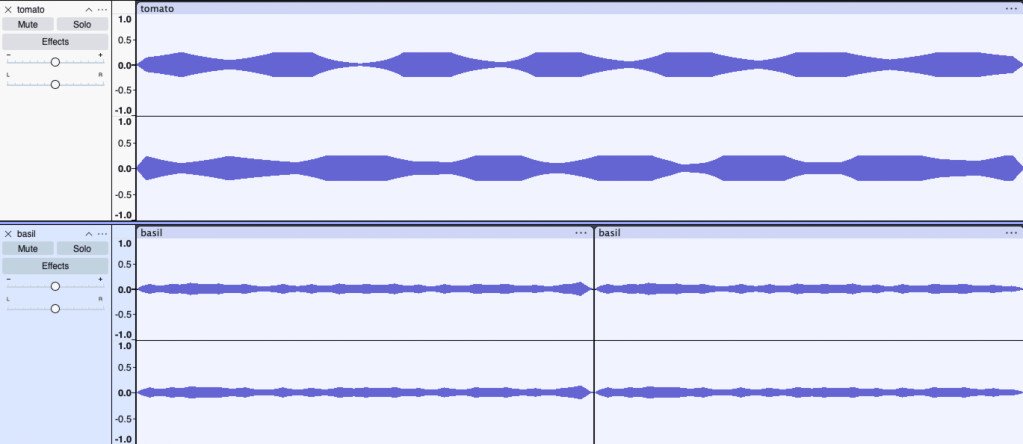
Sine wave stimuli composed by implementing Foremand and Collins theories.
Stimulation: 6 AM-9 AM, 5 PM-8 PM
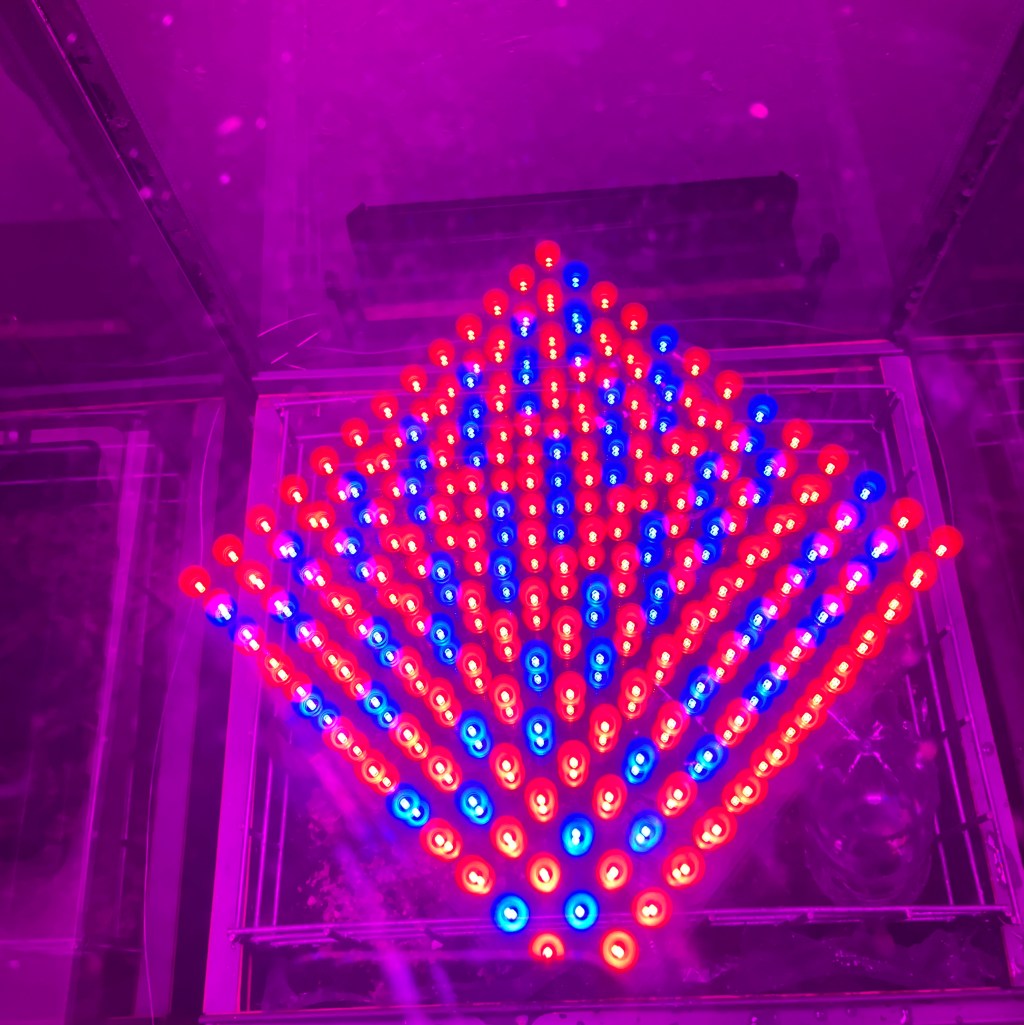
Plant stimulated with grow light (5 AM-8 PM) …
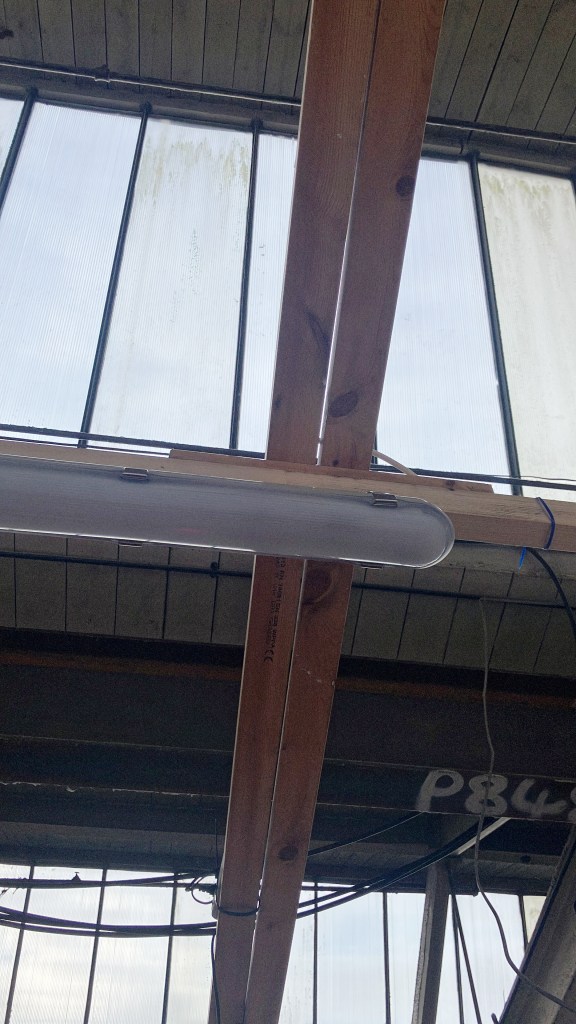
…Plus plenty of sunlight
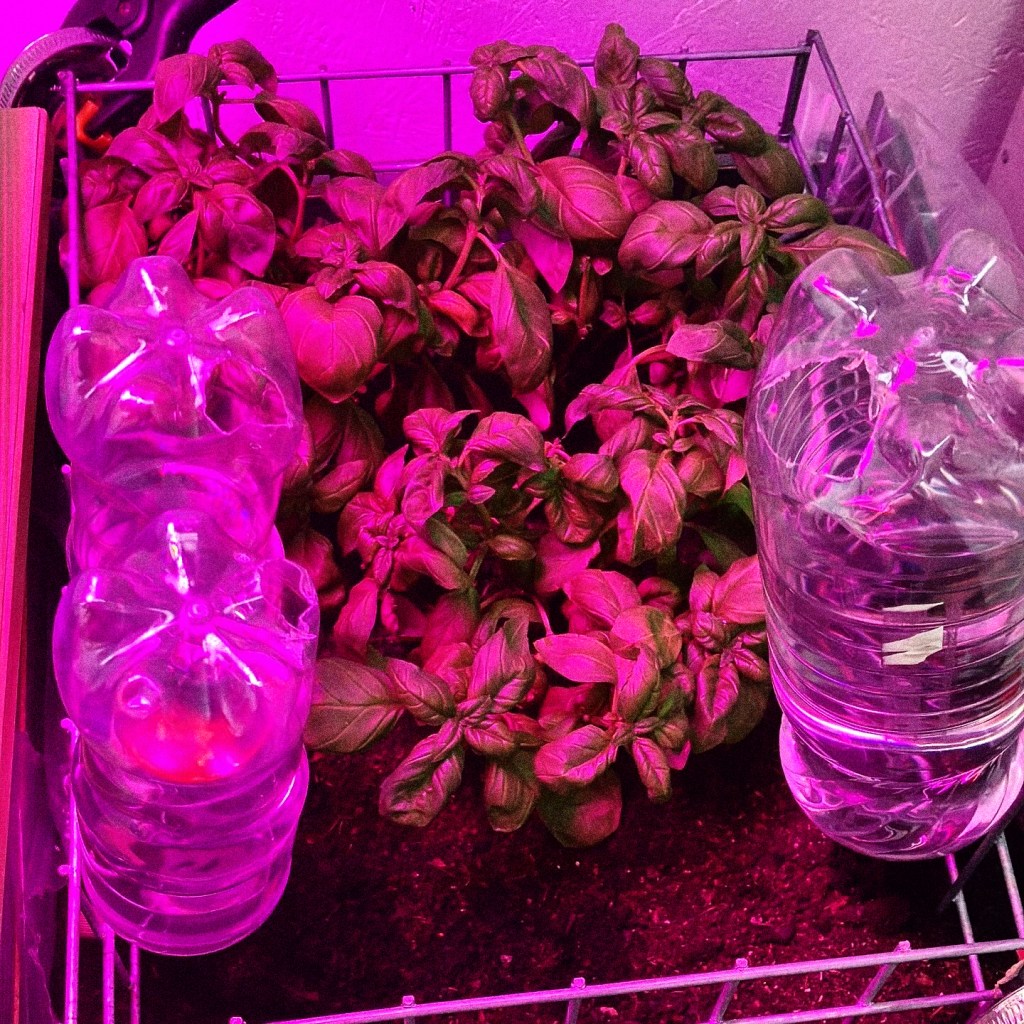
Watering system 1,75 Liters (as of Day 28th)
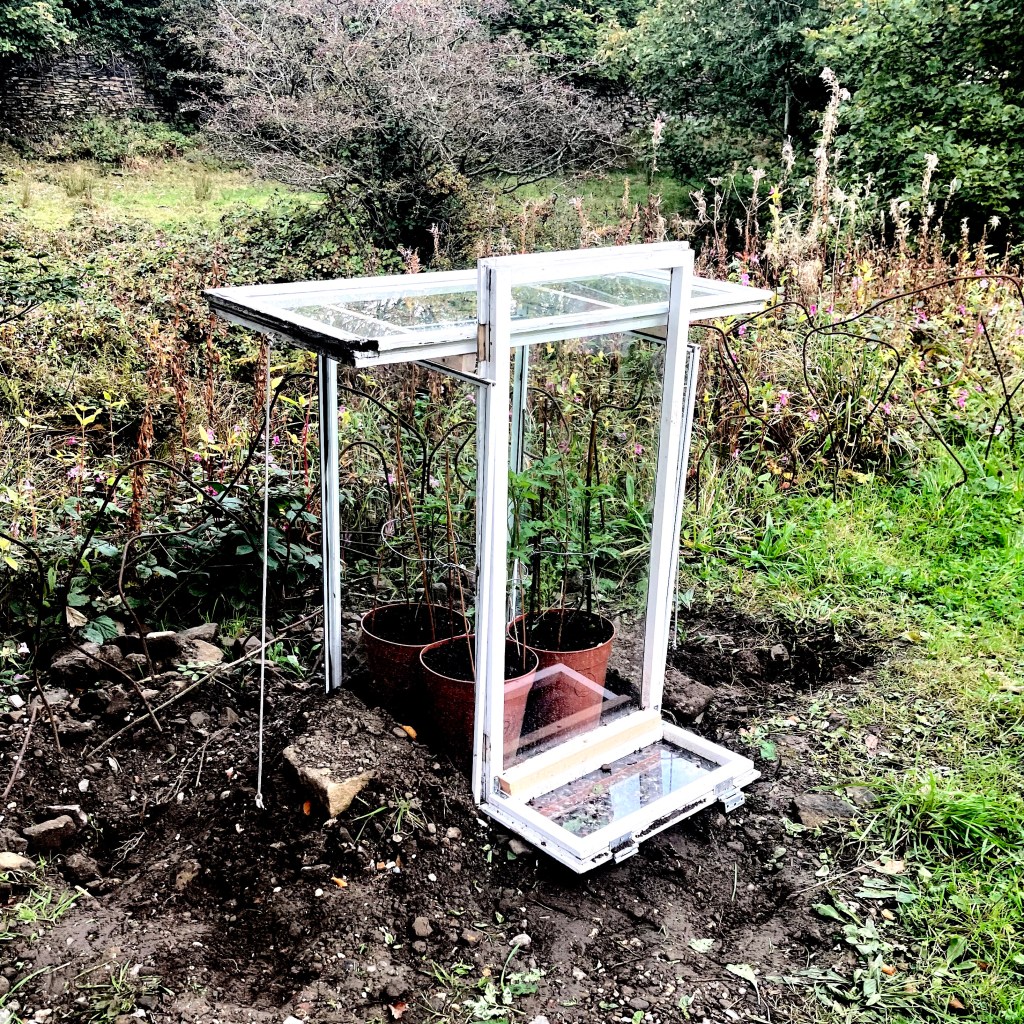
Control greenhouse
 habitatsonoro