
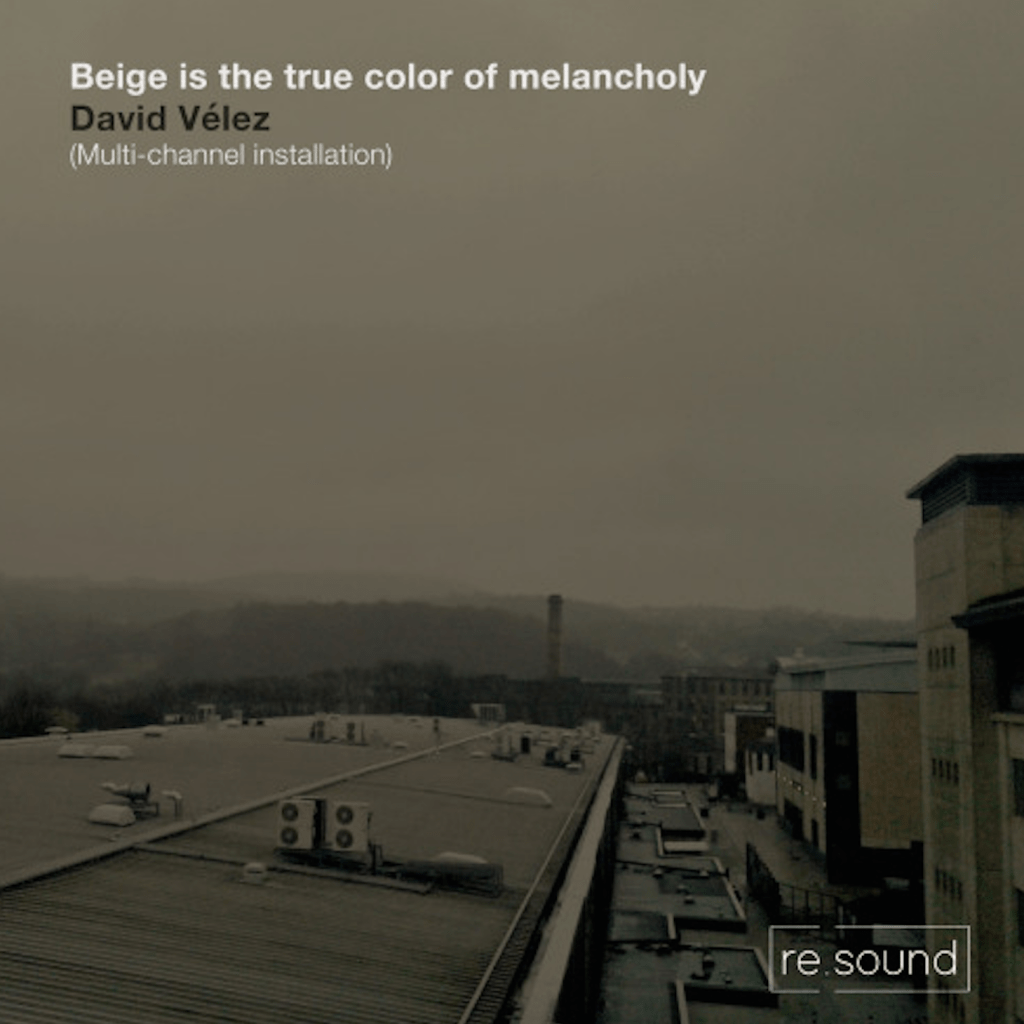
Beige is the true color of melancholy
Multi-channel sound art installation created with cooking sounds
Re.Sound
Huddersfield, May 2018
Lag: cooking
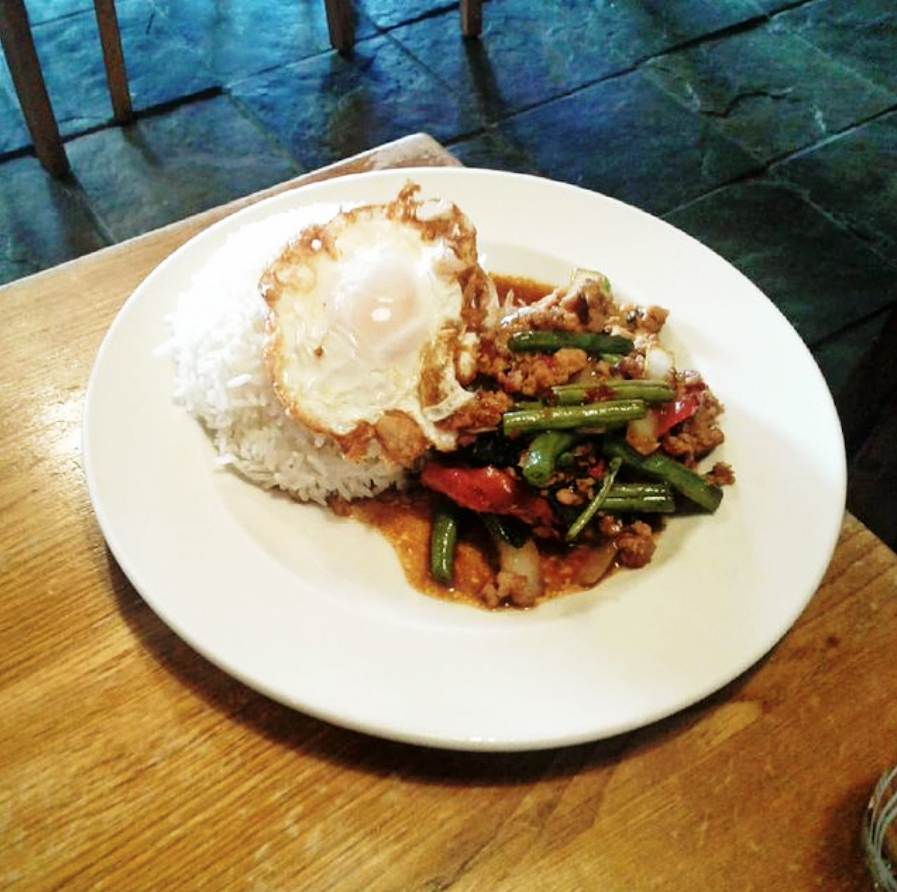
Lag is a Thai chef who was working in Huddersfield during the creation of this project. I met him in the restaurant where he was working, where I used to go in my longing for capsaicin and fizzling sounds. He did not speak English but Nat, the waiter, helped us by translating, and this is how I was able to ask Lag to allow me to record the sounds from his kitchen for my PhD project, to which he agreed. We worked during three sessions between March and April in which he selected a number of dishes based on their sounds, which I recorded with a shotgun microphone. Lag’s kitchen was pure radiance. Giant flames emanated from gigantic hobs that ignited the fizzle of his recipes with exuberant intensity. The sound of water dripping was everywhere as part of a cleaning mechanism that keeps the hobs clear from oil stains. The sound of the conversations between Lag and his wife, who assisted him, brought Thailand to life for me in Huddersfield, activating my memories when I visited it in 1996. Lag made a selection of dishes that included frying provisions in which the moisture of the ingredients immersed in oil created fizzling exploding bubbles that resonated with vehemence and texture. His handling of the utensils was harsh and percussive, creating rhythmic patterns that permeated the recordings with blunt force.
In this initial stage of my work in Huddersfield, I began to research its architecture in connection with food, and I found the TV program Minorities in Britain which originally aired on the BBC in June of 1966. It focused on migratory issues in West Yorkshire, showing interviews with local people who complained about immigrant families who painted the front of their–otherwise beige houses–in different colours. Also, in this documentary, the British interviewees complained about the smell of immigrant cooking which later became the core idea behind the Turmeric project. I began to get a glimpse on how resistance operated as an important element in my work. The Minorities in Britain documentary and my experience working with Lag steered me in the direction of conceiving a multichannel installation that addressed the role of food in circumstances of gloom connected with the grim weather, the colour beige, and the sensation of uprooting. In this piece, dejection is contested with loud piquant food of warm radiant colours that contrasts with the opaqueness and blandness of cultural homogeneity. The samplers that I used here were taken from the BBC documentary and from an interview with Nat, the waiter from Lag’s restaurant. There, he spoke about how much he had missed food when he had arrived. The cooking sounds of Lag in this piece were subtly treated to resonate with bluntness and harshness, operating as a force that resists. The sine waves served here as the sounds in which melancholy can be expressed with certain ambiguity. It is a melancholy that surges, in this piece, as a sediment of the encounters between difference and homogeneity evidenced in the documentary and that connects with my own process of adaptation.
 habitatsonoro